 Available in US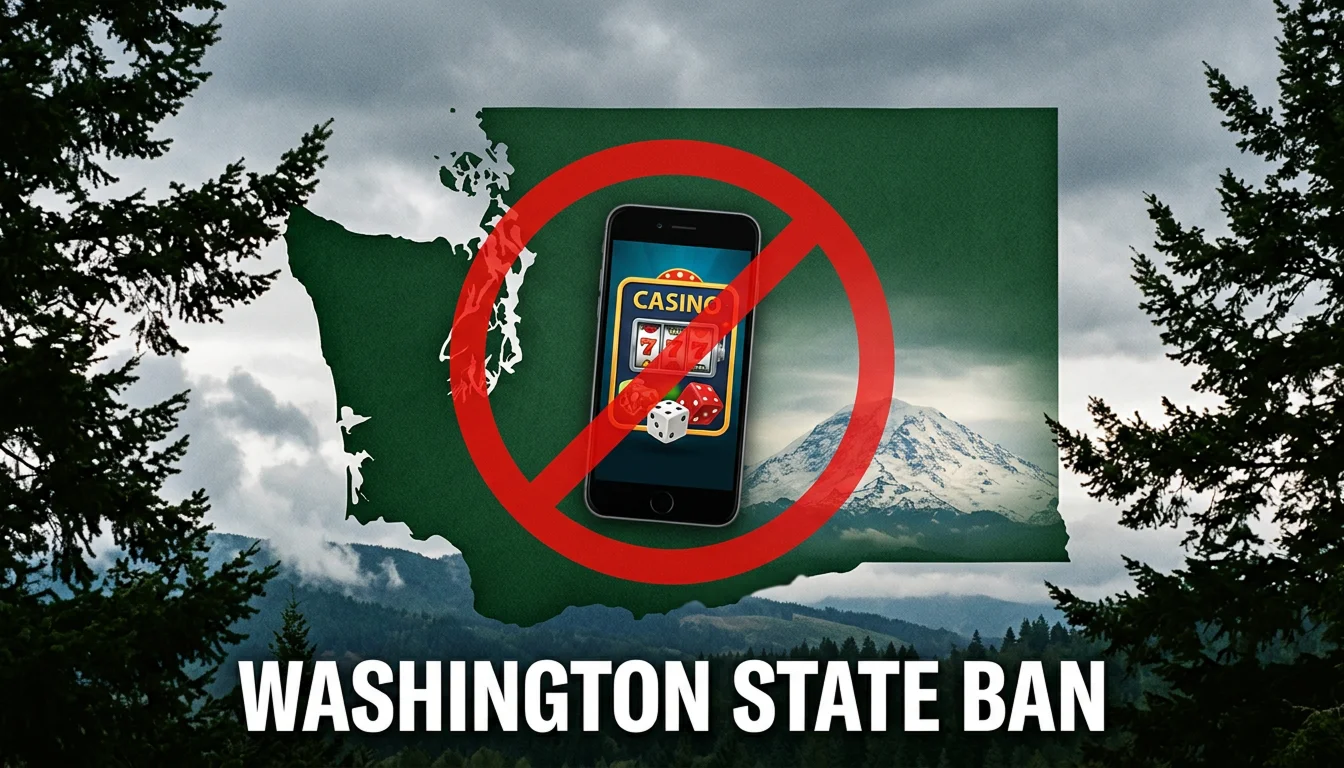
Washington State’s strict interpretation of gambling law made it the original sweepstakes-free zone. While other states only recently began restricting sweepstakes casino operations, Washington has blocked these platforms from the beginning. Players in the Evergreen State who try to access Stake.us, Chumba Casino, or any other major sweepstakes platform encounter geo-blocks before they can even create an account.
The Washington restriction predates the current regulatory crackdown hitting states like California and New York. When sweepstakes casinos were growing rapidly across the rest of the country, Washington residents watched from the sidelines. The state’s gambling laws—specifically RCW 9.46—cast a wider net than most state statutes, catching sweepstakes casino operations within their definition of prohibited gambling.
This article explains Washington’s legal framework, why the sweepstakes model fails to escape its reach, how tribal gaming interests shape the state’s gambling landscape, and what alternatives exist for Washington residents seeking similar entertainment. Understanding Washington’s position helps explain why sweepstakes operators never bothered fighting for access to this market.
Why Sweepstakes Casinos Are Banned in Washington State — More on this topic at sweepstakes casino promo code.
Washington’s Gambling Laws
Washington State regulates gambling through the Washington State Gambling Act (RCW 9.46), one of the more restrictive gambling frameworks in the nation. The statute’s definitions and prohibitions extend further than federal law or most other state codes, creating legal exposure that sweepstakes operators prefer to avoid entirely.
Broad Definition of Gambling
RCW 9.46 defines gambling broadly as staking something of value upon the outcome of a contest of chance or future contingent event. The key phrase is “something of value”—Washington courts have interpreted this expansively to include items beyond traditional currency. This interpretation creates problems for sweepstakes casinos that rely on distinguishing between their play-for-fun currency and prize-eligible currency.
The dual-currency model that enables sweepstakes casinos elsewhere depends on a legal argument that players purchase Gold Coins for entertainment while receiving Sweeps Coins as free promotional bonuses. Washington law doesn’t accept this distinction. If players can ultimately redeem something for cash—regardless of how they obtained it—the activity potentially constitutes gambling under state law.
Criminal Penalties
Washington classifies certain gambling offenses as felonies, creating serious criminal exposure for operators. Professional gambling—defined to include operating gambling activities—can result in Class C felony charges carrying up to five years imprisonment and $10,000 fines. Even player participation in illegal gambling constitutes a misdemeanor.
These penalties explain why sweepstakes operators don’t test Washington’s enforcement. The potential criminal consequences far exceed the market opportunity, making voluntary geo-blocking the rational business decision. Operators would rather forfeit Washington revenue than risk criminal prosecution of executives or employees.
Limited Exceptions
Washington permits gambling only through specifically authorized channels: tribal casinos operating under compacts, state lottery, licensed card rooms, and charitable gaming under strict conditions. Online gambling remains prohibited almost entirely, with narrow exceptions for horse racing and some lottery products. Sweepstakes casinos fit none of these authorized categories.
Why Sweepstakes Don’t Work in WA
The legal arguments that enable sweepstakes casinos to operate elsewhere collapse under Washington’s statutory framework. Understanding why requires examining how the sweepstakes model works and where Washington law differs from more permissive jurisdictions.
The Sweepstakes Defense
Sweepstakes casinos nationally rely on three-element analysis of gambling: consideration (payment), chance, and prize. Traditional gambling requires all three. Sweepstakes casinos argue they eliminate consideration by providing free entry methods—mail-in requests for Sweeps Coins, daily login bonuses, social media giveaways. Without required payment, they claim, the activity isn’t gambling.
This argument has found varying degrees of acceptance across jurisdictions. Some states accept the sweepstakes distinction; others reject it as semantic gamesmanship. Washington falls firmly in the second camp.
Washington’s Rejection
Washington’s gambling statute doesn’t require payment as strictly as other state laws. The “something of value” standard encompasses time, attention, and personal information—all things players provide when participating in sweepstakes casinos. Moreover, Washington courts look at the totality of operations rather than technical legal structures. A platform that looks like a casino, functions like a casino, and generates revenue like a casino faces classification as a casino regardless of its promotional mechanics.
The Washington State Gambling Commission has consistently interpreted sweepstakes casinos as falling within prohibited gambling. This administrative interpretation carries significant weight and informs enforcement priorities. Operators challenging this interpretation would face an uphill legal battle with uncertain outcomes and certain expense.
No Safe Harbor
Unlike some states where sweepstakes casinos operate in legal gray areas pending definitive enforcement, Washington offers no ambiguity to exploit. The state’s position is clear, consistent, and backed by statutory language that supports prohibition. Operators gain nothing by testing these waters—the legal risk far exceeds any potential reward from Washington’s relatively small market share.
Tribal Gaming Influence
Washington’s tribal gaming industry shapes the state’s gambling policy in ways that reinforce restrictions on outside competition. The relationship between tribal interests and sweepstakes prohibition isn’t coincidental.
Tribal Gaming Scale
Washington hosts 29 tribal casinos operated by 23 tribes under state-tribal compacts. These facilities generate billions in annual revenue and employ tens of thousands of workers. Tribal gaming represents a major economic force in Washington, particularly in regions where tribal casinos serve as primary employers and economic drivers.
The tribal gaming compacts grant exclusive rights to certain forms of gambling in exchange for revenue sharing and regulatory compliance. This exclusivity has value only if alternatives remain unavailable. Sweepstakes casinos—offering similar gaming experiences online—would directly compete with tribal facilities without the regulatory burden or revenue-sharing obligations.
Political Influence
Washington tribes exercise significant political influence, particularly on gambling policy. They lobby against gambling expansion that would erode their competitive position, fund candidates who support their interests, and engage actively in regulatory proceedings. This political engagement helps maintain Washington’s restrictive stance against online gambling generally and sweepstakes casinos specifically.
The tribal position aligns with state enforcement priorities. Keeping sweepstakes casinos out of Washington protects both tribal revenue and state tax receipts from tribal gaming compacts. This alignment creates powerful inertia against any relaxation of current restrictions.
Enforcement History
Washington’s sweepstakes casino ban operates primarily through voluntary operator compliance rather than active enforcement against players. The enforcement framework nonetheless creates deterrent effects that maintain the prohibition.
The Washington State Gambling Commission maintains authority over gambling enforcement and has issued guidance clarifying that sweepstakes casinos violate state law. This administrative position puts operators on notice that Washington access could trigger enforcement action. The Commission’s stance, combined with potential criminal penalties, motivates the geo-blocking that keeps Washington residents out.
Individual players attempting to circumvent geo-blocks through VPNs technically violate Washington law, though enforcement against individual players appears minimal. The state focuses resources on operator-level prohibition rather than prosecuting residents for accessing out-of-state platforms. This practical enforcement pattern doesn’t legalize the activity—it simply reflects resource allocation priorities.
No major sweepstakes operator has challenged Washington’s interpretation in court. The combination of clear statutory language, administrative guidance, and criminal penalty exposure makes litigation unattractive. Operators prefer accepting Washington as a lost market rather than investing in legal challenges with uncertain outcomes.
Options for WA Residents
Washington residents seeking gaming entertainment face limited legal options. Understanding what’s available helps set realistic expectations.
Tribal Casinos
Washington’s tribal casinos offer slot machines, table games, poker, and bingo across dozens of facilities statewide. These properties provide full casino experiences with regulated oversight and responsible gaming programs. Major properties in the Seattle area—like Snoqualmie Casino and Muckleshoot Casino—offer extensive gaming floors comparable to Las Vegas properties. The trade-off involves traveling to physical locations rather than playing from home.
Licensed Card Rooms
Washington permits licensed card rooms offering poker and certain house-banked card games. These smaller venues provide alternatives to full-scale casinos for players primarily interested in card games. Card rooms operate under Gambling Commission oversight with limits on stakes and game types.
State Lottery
The Washington State Lottery offers scratch tickets, draw games, and online lottery purchases. While mechanically different from casino gaming, lottery products provide legal gambling opportunities with prize potential. Online lottery access represents the closest thing to legal online gambling currently available to Washington residents.
Sports betting remains illegal in Washington outside tribal casinos, and iGaming legalization shows no momentum. Washington residents should expect continued restriction on online gambling options for the foreseeable future, with sweepstakes casinos remaining firmly prohibited.
See also Sweepstakes Casino VIP Programs.