
 Available in US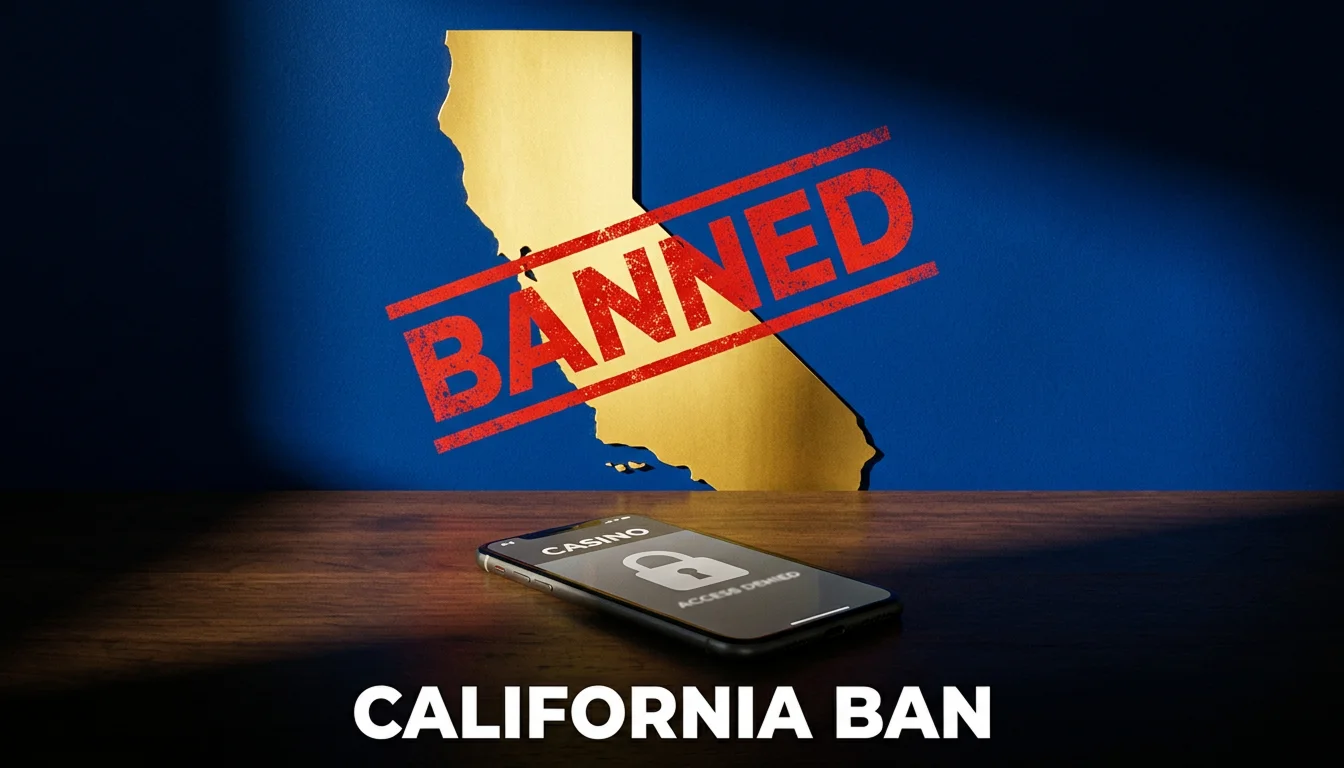
California’s decision to ban sweepstakes casinos eliminated the industry’s largest single market—here’s the full story. The Golden State represented nearly a fifth of all US sweepstakes casino revenue, and its closure sent shockwaves through an industry already facing mounting regulatory pressure nationwide.
The ban didn’t emerge from nowhere. Years of lobbying by tribal gaming interests, concerns about consumer protection, and questions about whether sweepstakes casinos constituted illegal gambling culminated in legislation that Governor Newsom signed into law. For the millions of California residents who had played on these platforms, the change meant abrupt loss of access to sites they’d used regularly.
This article traces the timeline from early legislative proposals through final implementation, examines the political and economic forces that drove the ban, quantifies the market impact, and explores what options remain for California residents interested in legal online gaming. Understanding how California reached this point provides context for similar battles playing out in other states.
California Sweepstakes Casino Ban 2026 — More on this topic at sweepstakes casino promo code.
Timeline of the California Ban
The path to California’s sweepstakes casino ban stretched over multiple legislative sessions, with momentum building through 2024 and 2025 before culminating in final passage. Key dates mark the progression from proposal to enforcement.
Early Legislative Activity
Initial bills targeting sweepstakes casinos appeared in the California legislature during 2024, backed primarily by tribal gaming interests who viewed sweepstakes operators as unlicensed competitors. These early proposals faced procedural hurdles and failed to advance, but they established the framework and arguments that later efforts would refine.
The tribal gaming coalition invested heavily in research and lobbying, commissioning studies on consumer harm and economic impact. Their argument centered on a simple premise: sweepstakes casinos offered the same experience as regulated gambling without paying the taxes or meeting the licensing requirements that tribal casinos bore.
AB 1024 and Legislative Passage
Assembly Bill 1024 emerged as the vehicle for the ban, introduced with bipartisan support reflecting the unusual coalition behind it. Tribal gaming interests aligned with consumer protection advocates concerned about problem gambling, creating a legislative force that sweepstakes industry lobbying couldn’t overcome.
The bill moved through committee hearings where both sides presented testimony. Sweepstakes operators argued their model was legally distinct from gambling and provided entertainment to millions of Californians. Opponents countered that the distinction was semantic rather than substantive—players were gambling, regardless of the dual-currency structure designed to circumvent regulations.
Final passage came with comfortable margins in both chambers. Governor Newsom signed the bill, citing consumer protection concerns and the need to maintain integrity in California’s regulated gaming market.
Implementation and Enforcement
The law included a 90-day implementation window allowing operators to wind down California operations. During this period, platforms geo-blocked California IP addresses, ceased marketing to California residents, and processed final redemptions for existing California players. By the enforcement date, major sweepstakes casinos had fully exited the state rather than risk criminal liability.
Why California Banned Sweepstakes
Multiple interests converged to make California’s ban possible. Understanding each stakeholder’s motivations reveals why the legislation succeeded where similar efforts in other states have failed.
Tribal Gaming Opposition
California’s tribal casinos generate billions in annual revenue and wield significant political influence. They viewed sweepstakes casinos as direct competitors operating without the substantial tribal-state compact obligations that govern their own operations. The competitive threat was existential—if sweepstakes casinos could offer casino-style gaming online without regulatory burden, the value of tribal gaming exclusivity eroded.
Tribal lobbying funded much of the legislative push, including research, advertising, and direct political contributions. Their investment reflected the stakes involved: protecting a revenue stream worth billions annually against an unregulated competitor.
Consumer Protection Concerns
Advocates raised legitimate concerns about sweepstakes casino operations. Los Angeles City Attorney Hydee Feldstein Soto captured the sentiment in a lawsuit announcement targeting one major operator: “Under the moniker of ‘America’s Social Casino’… Stake.us is a rogue and real money gambling racket with destructive repercussions for its players.” This framing—that sweepstakes casinos were gambling operations hiding behind semantic distinctions—resonated with legislators concerned about consumer welfare.
The lack of responsible gaming requirements, self-exclusion programs, and regulatory oversight that licensed casinos must maintain gave critics ammunition. Sweepstakes operators countered that they implemented voluntary protections, but the absence of mandated standards troubled consumer advocates.
Tax Revenue Arguments
California collects no gaming taxes from sweepstakes casino operations. Unlike tribal gaming compacts that include revenue-sharing provisions, or hypothetical online casino licensing that would generate tax revenue, sweepstakes casinos contributed nothing to state coffers while extracting spending from California residents. This pure economic leakage strengthened the case for prohibition.
Market Impact: .4 Billion Lost
California’s exit from the sweepstakes casino market eliminated the industry’s single largest revenue source. The numbers quantify just how significant this loss was for operators.
According to Eilers & Krejcik Gaming research commissioned by the Social Gaming Leadership Association, California represented approximately 17.3% of the entire US sweepstakes casino market—translating to roughly $2.42 billion in gross revenue during 2025 before the ban took effect. No other single state approached this concentration.
The same research documented broader economic impacts beyond direct operator revenue. Sweepstakes casinos had generated over $1 billion in California economic benefit annually, including approximately $732 million in marketing expenditures flowing primarily to Meta and Google for digital advertising. Those marketing dollars evaporated along with direct gaming revenue.
Operator Responses
Major platforms absorbed the California loss differently based on their geographic diversification. VGW, operating Chumba Casino and LuckyLand Slots, had already begun shifting focus to remaining states before the ban finalized. Smaller operators with heavier California concentration faced more severe impacts, with some reportedly considering full market exit from the US.
The ban accelerated industry consolidation as weaker operators struggled to maintain profitability without California revenue. Simultaneously, it intensified competition for remaining eligible markets, potentially increasing player acquisition costs as platforms fought over a smaller addressable population.
What California Residents Can Do
California residents lost access to sweepstakes casinos, but legal alternatives exist for those seeking similar entertainment. Understanding available options helps former sweepstakes players find compliant alternatives.
Tribal Casinos
California hosts dozens of tribal casinos offering slot machines, table games, and poker. These brick-and-mortar establishments provide regulated gambling with responsible gaming protections mandated by tribal-state compacts. The experience differs from online play—requiring physical travel—but offers fully legal gaming.
Daily Fantasy Sports
Daily fantasy sports platforms like DraftKings and FanDuel operate legally in California, offering contests based on real sporting events. While mechanically different from casino gaming, DFS provides competitive play with real money outcomes. These platforms operate under different legal frameworks than gambling, similar to the distinction sweepstakes casinos attempted to claim.
Waiting for iGaming
California periodically considers legalizing online casino gaming through regulated licensing. Should such legislation pass, California residents would gain access to legal, regulated online casinos—the very competition tribal interests have historically opposed. The timeline for any such legalization remains uncertain, with tribal gaming influence likely to shape any eventual framework.
Future of Gambling in California
California’s gambling landscape continues evolving, though the direction remains contested. Multiple interests compete to shape whatever comes next.
Tribal gaming interests have successfully blocked most online gambling expansion efforts, preferring to protect their land-based exclusivity. Sports betting ballot initiatives have failed, and iGaming proposals haven’t gained traction against tribal opposition. This pattern suggests California residents shouldn’t expect rapid expansion of legal online gambling options.
The sweepstakes ban itself may face legal challenges as operators argue the model differs legally from gambling. Courts in other jurisdictions have reached varying conclusions on this question, and California-specific litigation could test the ban’s constitutional validity. However, such challenges face long odds given the state’s broad authority to regulate gambling within its borders.
For now, California’s sweepstakes casino ban stands as the most significant state-level action against the industry. Whether it becomes a model other states follow or remains an outlier depends on political dynamics that continue playing out nationwide. What’s clear is that California—once the industry’s largest market—has decisively removed itself from the sweepstakes casino landscape for the foreseeable future.
See also New York Sweepstakes Casino Ban.